Jigme Dorji National Park parel van Bhutan ReisExpert.nl
Jigme Dorji National Park A Trekker’s Paradise In Bhutan
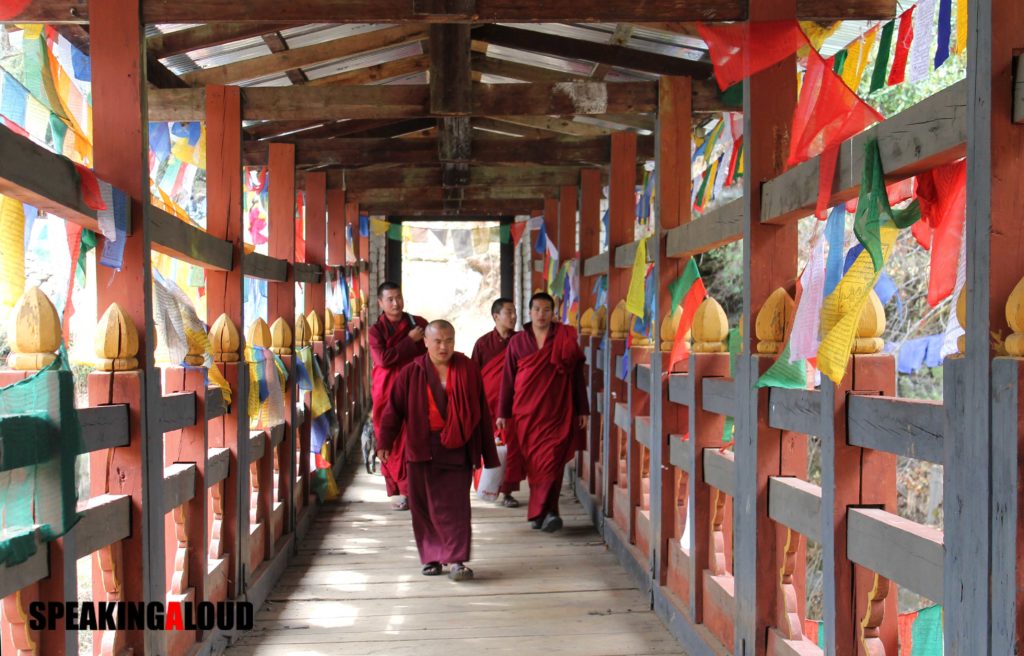
With over 4,316 km 2, the Jigme-Dorji National Park is the second largest protected area in Bhutan. It is one of the most biodiverse areas of the eastern Himalayas and stretches from the deciduous forest to the eternal ice fields and glaciers on the north-western border of Bhutan.. Densely forested mountains of Jigme Dorji National Park Jigme Singye Wangchuk National Park
Jigme Dorji National Park
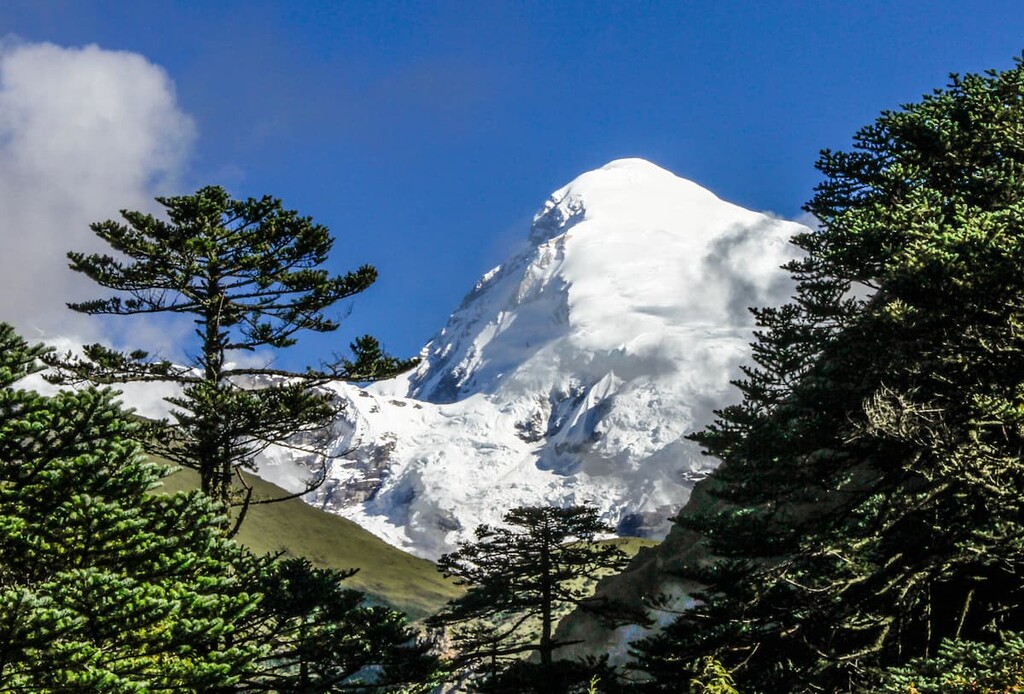
The Jigme Dorji National Park in Thimphu, Bhutan also shelters over 300 medicinal plant species along with 39 butterflies and 5 reptiles. As monitored by World Wildlife Fund, the park is the first place where Bengal tigers share a habitat with snow leopards over an altitude of 4000 meters with varied topography.
Visit Jigme Dorji National Park with Your Family

Jigme Dorji National Park (JDNP) is the second largest national park in Bhutan with an area of 4316 sq. km. Located in the north western park of the country, the park also shares international border with the Tibetan Autonomous Region of China. JDNP is rich in biodiversity with a present record of 36 mammals, 328 birds, 5 reptiles, 300.
Jigme Dorji National Park, Bhutan
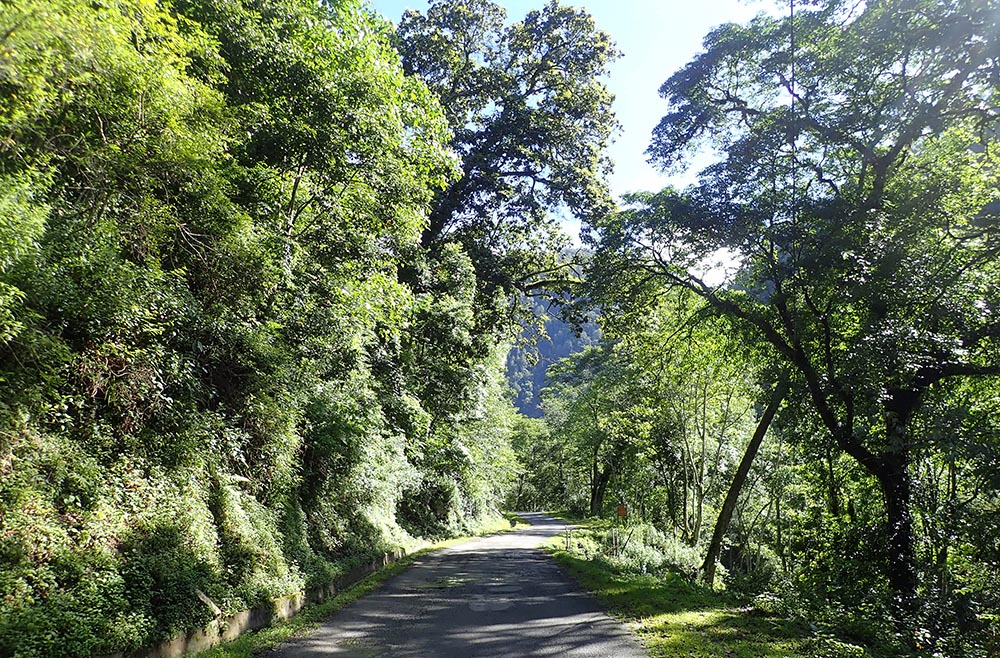
Jigme Dorji National Park is in north western Bhutan. Understand [edit] With over 4,300 km 2 (1,700 sq mi), this is Bhutan's largest national park, and covers the entire district of Gasa and the western areas of Thimphu and Paro districts. The park provides sanctuary for many wild animals, including the snow leopard, musk deer, Himalayan black.
Jigme Dorji National Park, Punakha, Bhutan Attractions Timings, Safari, Trekking
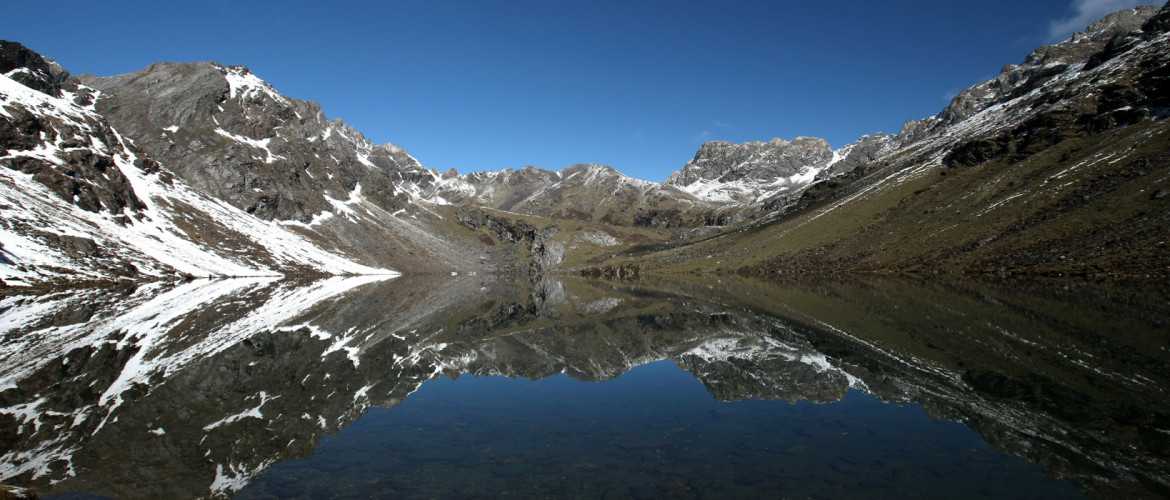
Sprawling over an area of 4,316 square kilometers, Jigme Dorji National Park is the second-largest national park in the Kingdom of Bhutan and is a sanctuary for some of the most elusive and endangered species on the planet. This national park is a natural marvel, offering captivating landscapes, pristine flora and fauna, and a rich cultural.
Jigme Dorji National Park in Thimphu North Bengal Tourism
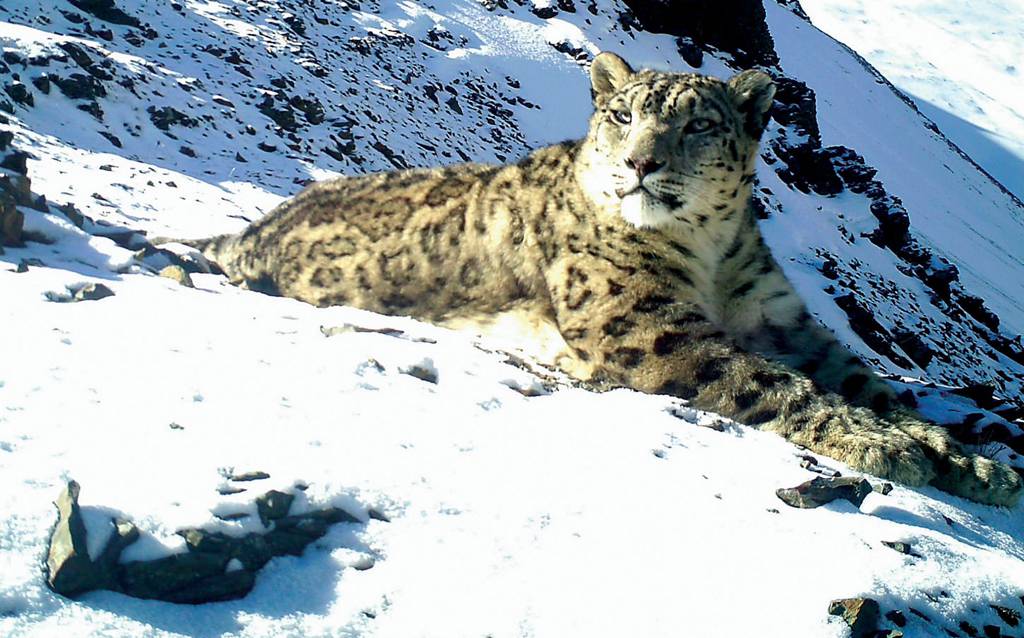
The Jigme Dorji National Park (JDNP), named after the late Jigme Dorji Wangchuck, is the second-largest National Park of Bhutan. History [ edit ] It was established in 1974 and stretches over an area of 4316 km 2 , thereby spanning all three climate zones of Bhutan, ranging in elevation from 1400 to over 7000 meters.
Jigme Dorji National Park A Trekker’s Paradise In Bhutan

Jigme Dorji National Park is the second largest protected forest area of Bhutan, and also one of the most favoured tourist destinations. The forest is named after the Late Dragon King Jigme Dorji Wangchuck, the monarch of Bhutan from March 30, 1952 - July 21, 1972.
Jigme Dorji National Park parel van Bhutan ReisExpert.nl
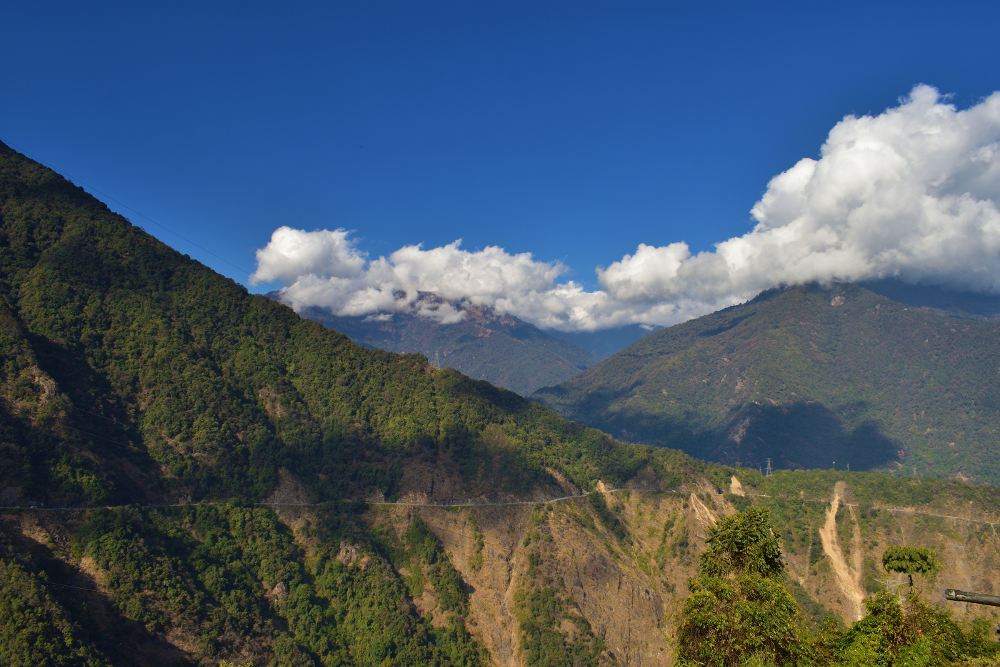
Bhutan Asia. Jigme Dorji National Park is located in the far northwest corner of Bhutan . The park covers an area of 1,666 square miles (4,316 sq km), creating the second largest national park in the country. The park extends across most of the mountainous Gasa District with elevations running from 4,593 to 24,035 feet (1,400 to 7,326 m).
Jigme Dorji National Park
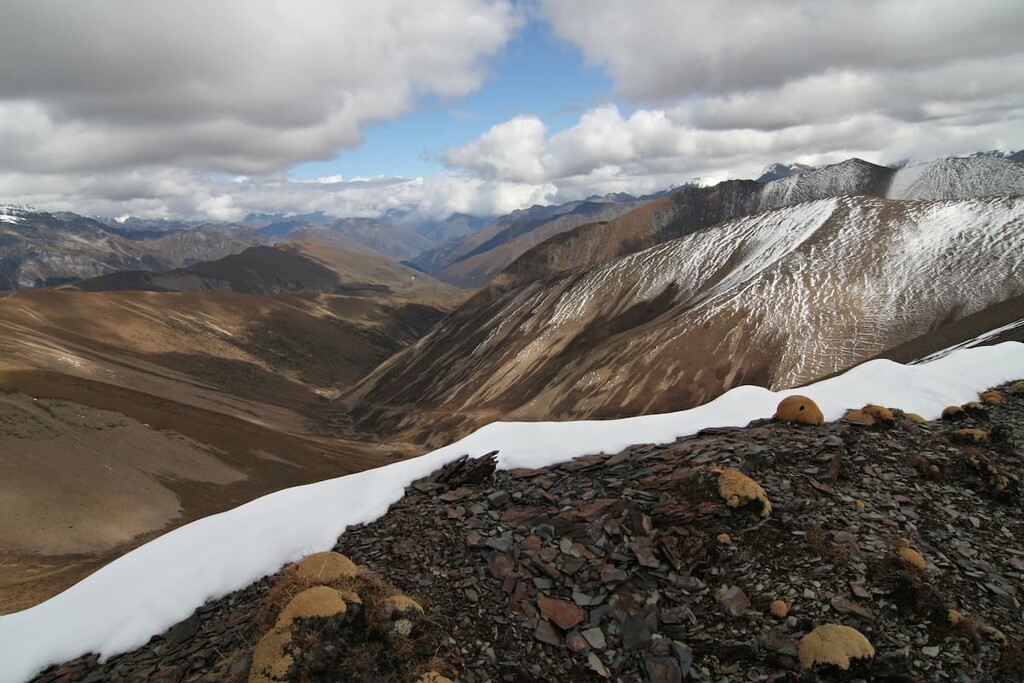
Jigme Dorji National Park (JDNP) is a keystone National Park of the country. It is the second largest national park which was established in 1974. JDNP also represents the best managed national park of Bhutan with an area of 4316km2 . It stretches among the entire Gasa District, Thimphu, Paro, Punakha and Wangduephodrang thereby covering three.
Jigme Dorji National Park, Punakha, Bhutan Attractions Timings, Safari, Trekking
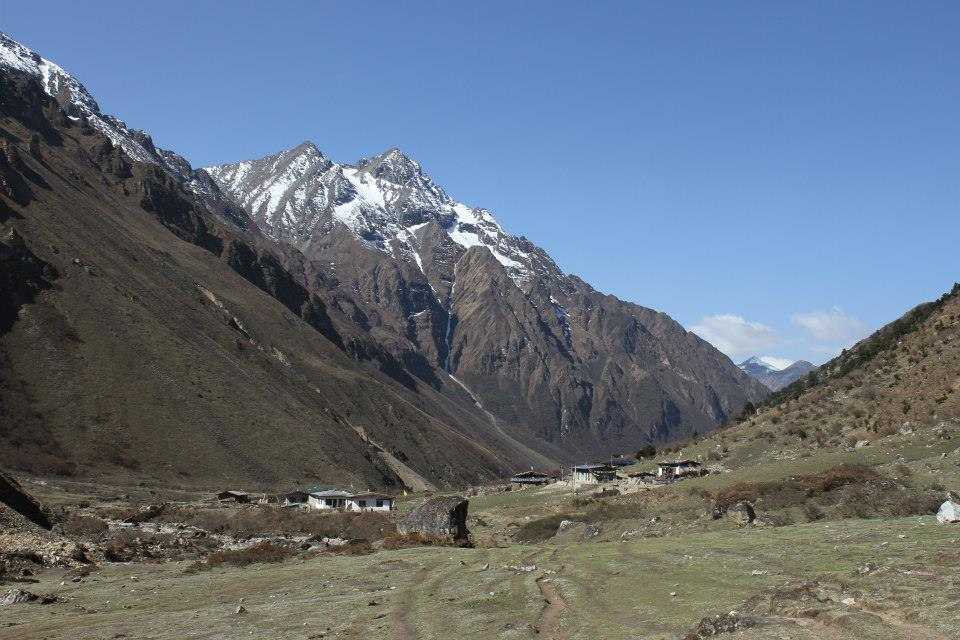
Bhutan. 3 national parks in Bhutan everyone should visit! See sections. 1. Jigme Dorji National Park. Jigme Dorji in the northwest corner of the country is one of Bhutan's biggest and most well-known national parks. It spans all three of the country's different climate zones. Here you can find some of the highest peaks in the country, including.
28 Tourist Places in Bhutan Famous & Most Beautiful Places to Visit
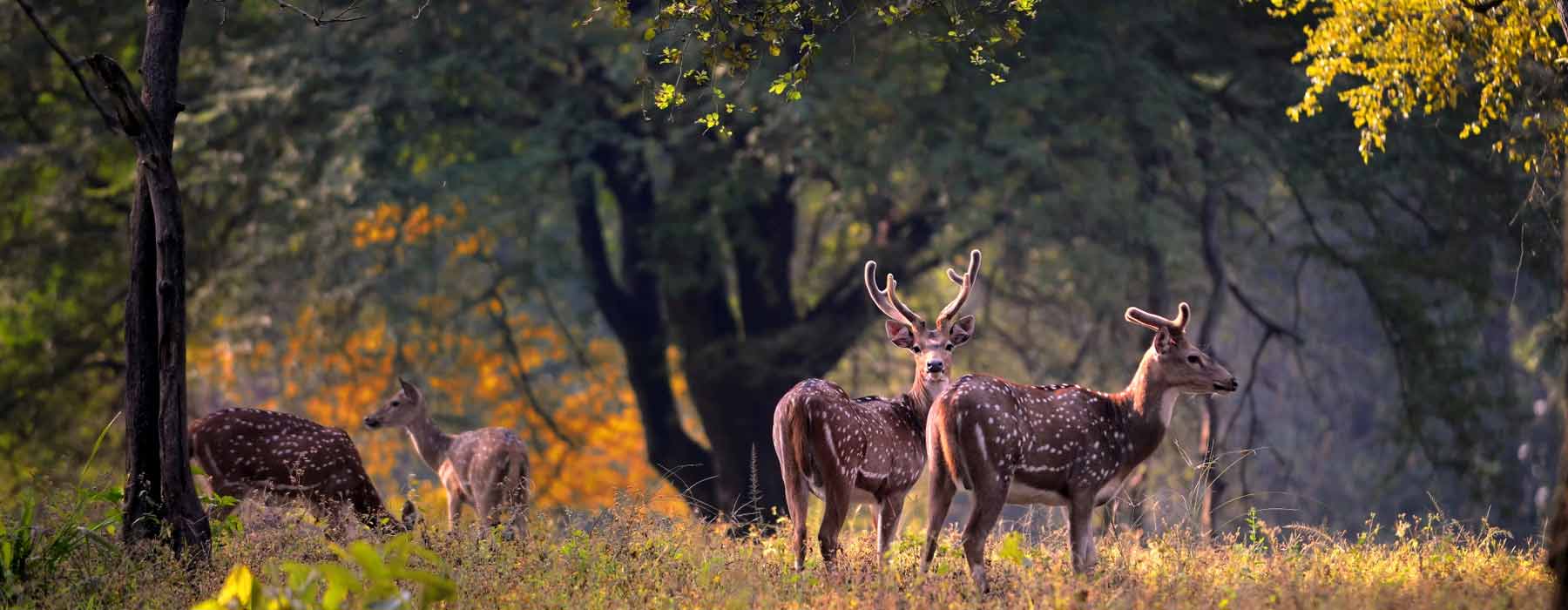
Top ways to experience Jigme Dorji National Park and nearby attractions. The drive to Gasa through JDNP is spectacular, if the road is still there! Going north past Punakha, you follow the Mo Chhu (River) and past several farming villages, and then up a 4WD road for about 2 hrs of hairpin turns and several landslides, through lush broadleaf.
Jigme Dorji National Park, Punakha, Bhutan Attractions Timings, Safari, Trekking
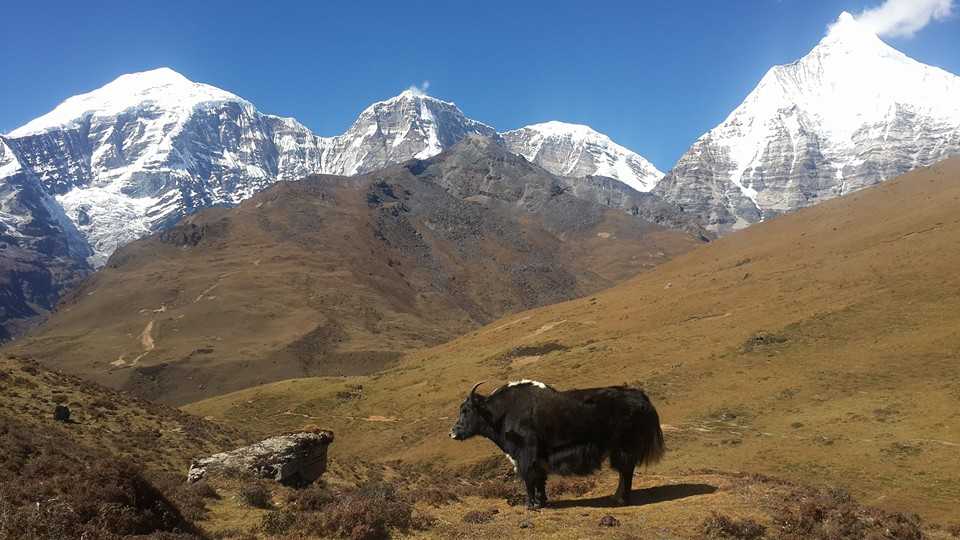
Description. Jigme Dorji National Park (JDNP) is located in the North-western part of Bhutan. Measuring approximately 4,316 km2 (or 431,600 ha) ,the second largest natural preserve in the country and one of the richest in terms of cultural and biological diversity among the protected areas. It is one of the oldest national parks in the country.
Jigme Dorji National Park Bhutan Travel, Trekking Tour, Evergreen Forest, Free Vacations, River

Spread across an area of 4316 square kilometres, Jigme Dorji National Park spans most of the Gasa District and parts of Thimphu, Punakha, Wangdue Phodrang and Paro.Elevated to a maximum height of 7000 metres, the lower-lying regions have warm broad-leaved forests and as we move to the top, the glacial mountains dominate the terrain.
Jigme Dorji National Park in Bhutan, Fotopedia Magazine — On the Roof of the World by Romulo

From Thimphu it is an overall 4½hrs drive to Jigme Dorji National Park.With North Bengal Tourism car rental service, travelers can hire a car from Thimphu to Jigme Dorji National Park at a regional price. Distance: The distance between Thimphu to Jigme Dorji National Park is 122 kilometers. Tour Packages. for.
Ten Best Places to Visit in Bhutan
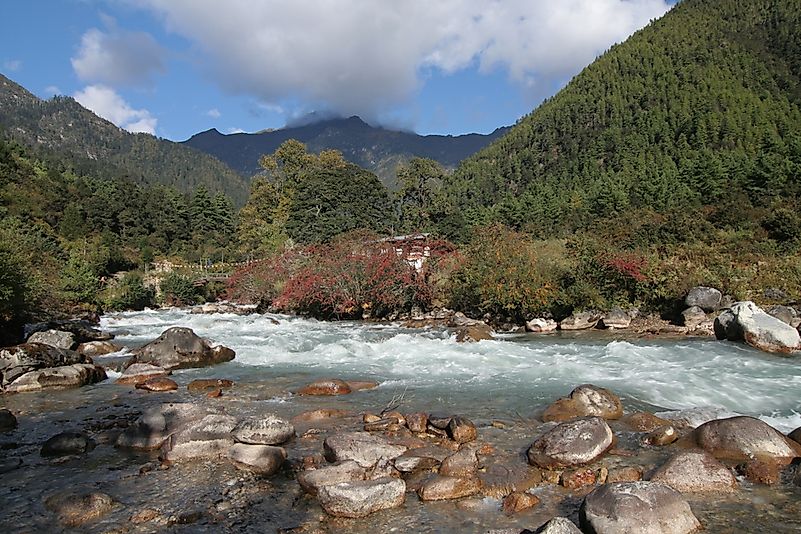
This Bhutan poppy is confined to Jigme Dorji National Park (JDNP), around Tshophu Lake. Initially classified as a subspecies of Meconopsis discigera in 1995 (Prain, 1906), it was not until 2012 that the species was accurately identified as a distinct entity (Yoshida & Grey-Wilson, 2012).
Jigme Dorji National Park, Punakha, Bhutan Attractions Timings, Safari, Trekking
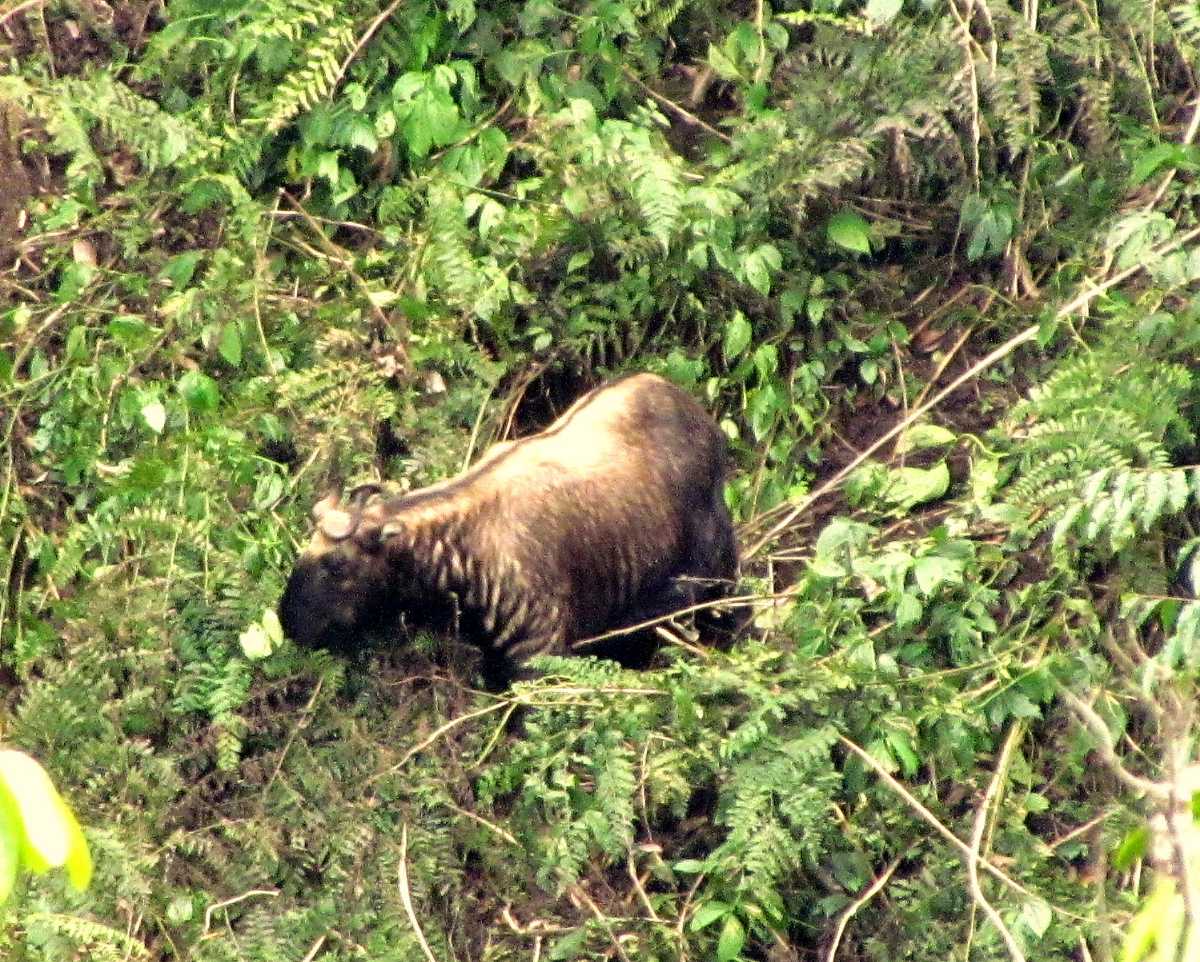
Area: 4,349 sq km; 1,680 sq miles. Jigme Dorji National Park (JDNP) is one of the largest national parks in Bhutan, spanning an area of 4316 sq. km. in the north western part of the country and sharing an international border with the Tibetan Autonomous Region of China. The park boasts a rich variety of habitats, from subtropical (1,400 m) to.